The History of Labor Day
Introduction
Labor Day is a national holiday that falls on the first Monday in September every year. It is a day when most businesses are closed, and is often marked by barbeques, bonfires, and parties. It is a holiday to celebrate laborers, but why? And where did this auspicious holiday begin? This article aims to explore all this and more!
The History Behind the Holiday
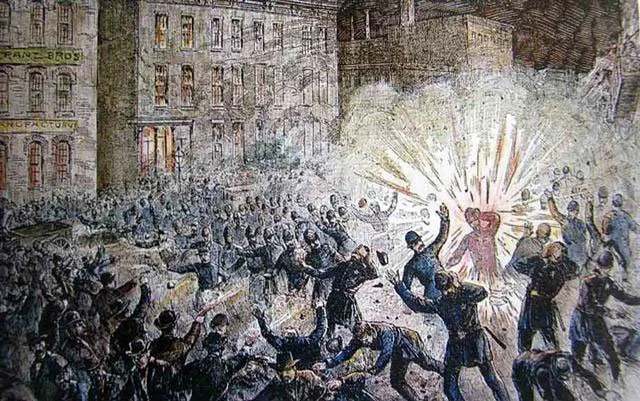
The holiday’s roots date back to more than one event, the most notable being the Chicago Haymarket Riot in 1886. The riot broke out in response to dismal, unsafe working conditions, inadequate wages, and grueling workdays. It began as a labor protest where laborers took to the streets to demand an eight-hour workday, but turned violent when an unidentified individual threw a bomb at police officers, killing a few of them. Eight radical labor activists were convicted in the bombing, despite a lack of evidence.
The American Labor Movement at this time included a few radicals, but mostly consisted of industrial workers fed up with working conditions. “A few years [after the Haymarket Affair], the event inspired an international gathering of socialists in Paris to declare the 1st of May, May Day, a holiday honoring workers’ rights” (Investopedia). Eight years after that, American industrial and railway workers took to the streets again, this time protesting the 16-hour workdays and poor wages at a car manufacturing plant near Chicago. The strike crippled railway traffic across the United States, and mere days later, President Cleveland signed a bill into effect to make Labor Day a national holiday. However, he also dispatched National Guard troops to Chicago with orders to end the protests, and the boycott turned into a riot. The National Guard fired into the crowd, killing dozens of people.
Ultimately, it was not government intervention that led to better worker treatment, but the demands of laborers across the U.S. In 1914, Henry Ford more than doubled wages to $5 a day. When his profits soared, others in the auto industry began to take a hint, and conditions slowly improved. Finally, in 1938, the Fair Labor Standards Act - part of the New Deal - limited child labor, set a minimum wage, and limited workweek length, with mandatory overtime pay and compensation. By the 1940s, the average workweek had shrunk to five eight-hour days a week.
Workers’ Rights in the U.S.
Today, union membership is on the rise after decades of decline, likely due in part to the impact of the COVID-19 pandemic on many workers. Unions must exercise caution, however, as it can be easy for them to lose sight of their goals of better working conditions and become bogged down by bureaucracy after a generation or two. Almost all new unions, however, are formed under the banner of seeking better pay and working conditions, particularly unions formed by those who work for large, multi-billion dollar corporations. Furthermore, companies and employers found guilty of terminating employees who try to unionize, or ‘union-busting’, face more severe legal consequences than ever before. Despite all this, working conditions for many are far from ideal. In February 2023, the U.S. Labor Department reported a 69% increase in child labor since 2018. The latest major labor strike in the United States has been the WGA (Writers Guild of America) and SAG-AFTRA (Screen Actors Guild - American Federation of Television and Radio Artists) strikes of the past few months. The entertainment industry still has much work to do before things return to normal, as special effects and animation workers also begin to demand better treatment and wages. Negotiations between writers and entertainment companies seem to finally be making some headway after nearly five months; however, negotiations between actors and Hollywood are still ongoing. The writers strike further proves what the labor strikes of the past showed: that workers have power when they band together!
Conclusion
While Labor Day is a few weeks past for the year, it is a historically important holiday, and one that celebrates a fight that is ever ongoing! So, next year during the barbeques, bonfires, and parties, take a moment to remember the reason for the holiday, and to be thankful for your time off. And, never forget, you stand united in solidarity with other laborers across the globe!
Sources:
“Haymarket Riot.” HISTORY, 16 Dec. 2009, https://www.history.com/topics/19th-century/haymarket-riot. Accessed 26 Sept. 2023.
Sandroff, Ronni. “The History of Labor Day.” Investopedia, 4 Sept. 2016, https://www.investopedia.com/news/history-labor-day/. Accessed 26 Sept. 2023.
Darcy, Oliver, and Chris Isidore. “Writers Guild and Studios Reach Tentative Deal, Potentially Ending a Monthslong Strike That Ground Hollywood to a Halt.” CNN, 25 Sept. 2023, https://www.cnn.com/2023/09/24/business/wga-strike-ends-reaches-deal/index.html. Accessed 26 Sept. 2023.
Image: http://www.illinoislaborhistory.org/the-haymarket-affair