Pride Month Special
Introduction
Greetings, readers, and happy Pride Month! The prodigious month of June was officially established as Gay and Lesbian Pride Month in 1999 by President Bill Clinton, then was expanded in 2011 by President Barack Obama to include the whole of the LGBTQIA+ community. Why June, you may wonder? To answer that question, we must travel back in time, to the event that catalyzed the modern LGBTQIA+ rights movement.
History of Pride
LGBTQIA+ people have existed in the United States since its founding, but the first major organized petition for queer rights can be traced back to the Society of Human Rights in Chicago, established in 1924. However, widespread efforts did not begin until the 1950s, with the founding of the Mattachine Society in Los Angeles and the birth of the homophile movement. “The founders of the Mattachine Society used the word homophile because they believed that this new term, with its incorporation of the Greek word for love, could help counter the stereotype of homosexuals as obsessed with sex” (Carter 18). The Mattachine Society shone as a beacon of hope for gay men, lesbians, and transvestites in the 1950s and ‘60s, when “laws aimed at homosexuals became so harsh that at times they were draconian” (Carter 14), and gave many a platform from which to take political and social action. However, the Mattachine Society was only a starting point.
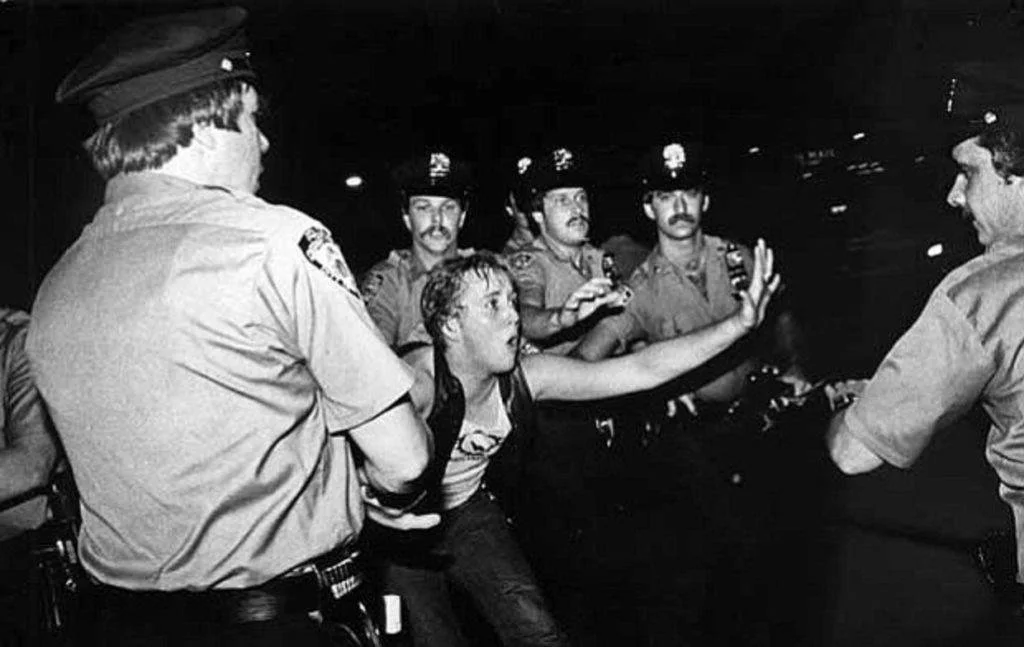
Between constant police harassment, lack of support from politicians, and painfully slow social change, the anger felt by many queer people slowly built to a breaking point. That breaking point came on June 28th, 1969, in New York City’s gay suburb Greenwich Village, at a gay club called the Stonewall Inn. On the 24th, Stonewall had been a casualty of a recent crusade by police to shut down mafia-run gay bars. Patrons were beaten and arrested. A mere four days later, the police returned. Usually, they could expect a sort of sullen compliance from the raid victims, but tonight, anger and defiance hung in the air. This, combined with the fact that the raid had occurred at 1am on a Saturday, saw the evacuated club patrons not slinking away into the night, but standing crowded outside the bar. The crowd’s numbers slowly swelled as more patrons exitted the bar and passersby joined their ranks, and before long, they were watching as patrons were hauled into a paddy wagon, yelling and jeering at the police all the while. The crowd finally erupted after watching a certain lesbian–widely believed to be a drag king named Stormé DeLarverie–put up a particularly valiant fight with the police. They clubbed her over the head as she fought her way out of the police wagon three times, and she reportedly called on the onlooking crowd: “Why don’t you guys do something?!” This finally provoked the crowd from a group of angry onlookers into a full-blown riot. Bricks, bottles, debris, and even molotov cocktails flew, and several police officers barricaded themselves inside the Stonewall. “Although police reinforcements [eventually arrived and] dispersed the crowd, riots waxed and waned outside the bar for the next five days, and these Stonewall riots… provided the spark that ignited the LGBTQ rights movement in the United States” (Britannica). The events at Stonewall led directly to the formation of the Gay Liberation Front (GLF) (which led, subsequently, to the formation of the Gay Activists’ Alliance) and other, less prevalent LGBT organizations.
A march was organized to fall on the one-year anniversary of the Stonewall Riots, and it was called the Christopher Street Liberation Day march (after the street on which the Stonewall Inn resided), and it began just there. ‘Gay pride’ was the theme, and the march gained hundreds of people as it progressed through New York City. In following years, gay pride was traditionally celebrated on June 28th, then eventually grew to become a month-long event. Today, people gather and march in major cities around the U.S. to commemorate those who came before, to stand in solidarity with fellow LGBTQIA+ around the world who continue to live under oppression, and to boldly declare that the fight for equality is not yet over.

A Landmark Journey: The Legal History of LGBTQ+ Rights in USA
Introduction:
As two members of the LGBTQ+ community, we aim to explore the captivating legal history that has shaped the landscape of LGBTQ+ rights in the United States. This transformative journey has been one of struggle, resilience, and triumph, and is characterized by pivotal legal battles that have gradually advanced the rights and protections of lesbian, gay, bisexual, transgender, and queer individuals. Let us embark on this enlightening exploration of progress and setbacks, celebrating the milestones achieved and acknowledging the work that lies ahead.
Pre-Stonewall Era
Prior to the pivotal Stonewall uprising of 1969, LGBTQ+ individuals lived in a legal landscape marked by discrimination and oppression. Homosexuality was deemed illegal in many states, and individuals could face imprisonment, job loss, or even involuntary institutionalization and corrective therapy. The legal environment perpetuated societal prejudice and deep-rooted stigmatization.
Stonewall Uprising and its Aftermath
The Stonewall riots served as a catalyst for change. LGBTQ+ activists fought back against police brutality and oppression, giving rise to a new era of visibility and advocacy. These events helped establish the Gay Liberation Movement and inspired the formation of numerous organizations dedicated to advancing LGBTQ+ rights.
Decriminalization and Early Advocacy
The early 1970s witnessed significant legal progress, as states gradually decriminalized consensual same-sex sexual activity. LGBTQ+ activists and allies rallied together, demanding recognition and equal treatment under the law. As such, landmark cases such as Boutilier v. Immigration and Naturalization Service (1967) and Baker v. Nelson (1972) laid the groundwork for challenging discriminatory laws.
Landmark Case: Lawrence v. Texas (2003)
In a groundbreaking decision, the Supreme Court struck down Texas' sodomy law in Lawrence v. Texas, affirming that intimate consensual relationships between adults, regardless of their sexual orientation, were protected by the Constitution's right to privacy. This landmark ruling invalidated similar laws across the nation and signified a significant milestone in the fight for LGBTQ+ equality.
Marriage Equality
One of the most transformative moments in LGBTQ+ legal history was the 2015 Supreme Court ruling in Obergefell v. Hodges. The Court held that same-sex couples had the fundamental right to marry, invalidating state bans on same-sex marriage nationwide. This landmark decision marked a triumph for LGBTQ+ rights advocates, fostering a more inclusive and equal society.
Expanding Anti-Discrimination Protections
Efforts to combat discrimination gained momentum as local and state jurisdictions began enacting comprehensive anti-discrimination laws protecting LGBTQ+ individuals in various spheres of life, including employment, housing, and public accommodations. However, the lack of consistent federal protections underscores the ongoing need for comprehensive nationwide legislation.
Transgender Rights
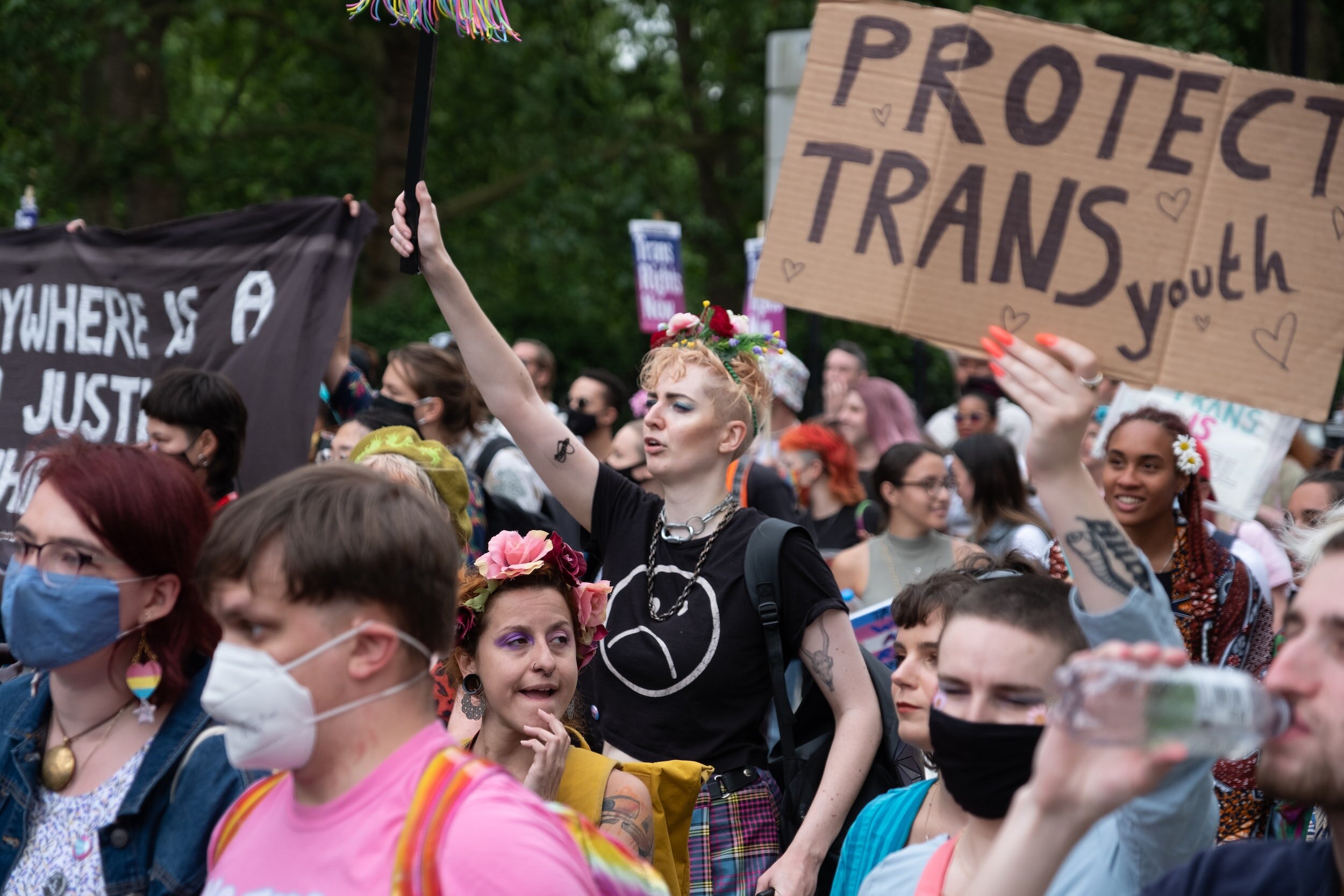
The legal landscape for transgender rights has seen both advancements and ongoing challenges. While some states have implemented protections against discrimination based on gender identity, the fight for transgender rights remains critical. Court cases like Bostock v. Clayton County (2020) affirm that Title VII of the Civil Rights Act of 1964 prohibits discrimination against LGBTQ+ individuals, providing crucial legal backing.
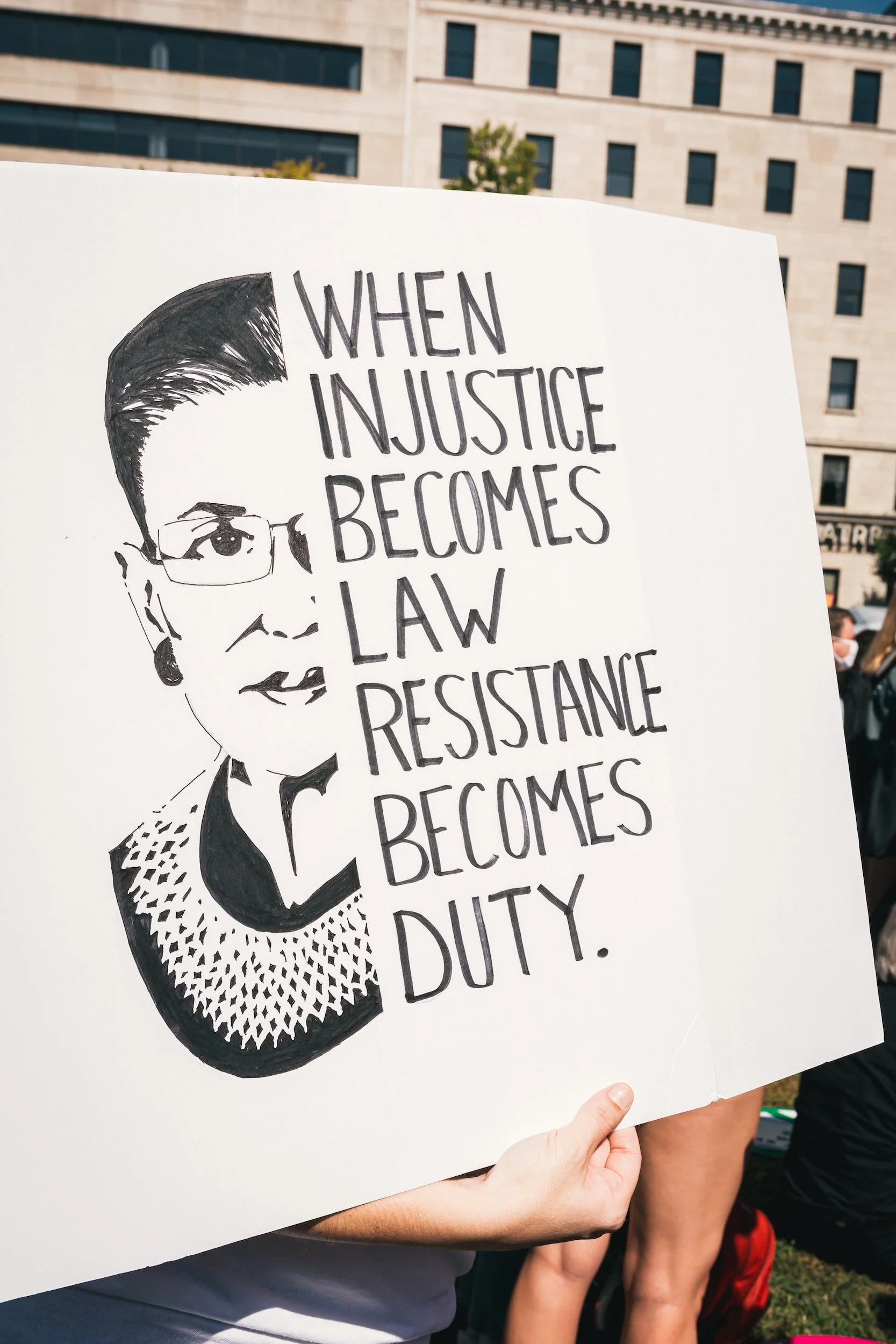
Threat to LGBTQ+ Rights: The Impact of Overturning Roe v. Wade
The overturning of Roe v. Wade in 2022, the landmark Supreme Court decision that established the constitutional right to abortion in 1973, poses a significant threat to the progress of LGBTQ+ rights in America. While the focus of Roe v. Wade is centered on reproductive rights, its reversal has far-reaching consequences beyond reproductive autonomy, affecting the broader framework of individual rights and personal autonomy, including LGBTQ+ rights.
Legal Precedent and Personal Autonomy:
Roe v. Wade established the legal precedent that individuals have a constitutional right to make decisions regarding their bodies and personal reproductive choices. This fundamental principle of personal autonomy is crucial for protecting LGBTQ+ rights because it reinforces the notion that individuals have the right to self-determination and control over their own lives, including matters related to sexual orientation, gender identity, and gender expression.
Intersectional Impact:
The LGBTQ+ community intersects with reproductive rights in various ways. Same-sex couples and transgender individuals may require access to reproductive healthcare, such as fertility treatments or gender-affirming procedures. Overturning Roe v. Wade threatens the availability and accessibility of these essential services, disproportionately affecting LGBTQ+ individuals and limiting their ability to make informed decisions about their bodies and futures.
Ripple Effect on Legal Interpretation:
Overturning Roe v. Wade has broader implications for the interpretation of constitutional rights, potentially weakening the legal foundations on which LGBTQ+ rights have been built. The erosion of reproductive rights sets a dangerous precedent, making it easier for opponents of LGBTQ+ equality to challenge existing legal protections. It may embolden attempts to curtail or undermine the rights of LGBTQ+ individuals by arguing against the recognition of their relationships, families, or the legal protections they currently enjoy.
Legislative Backlash and Political Climate:
The overturning of Roe v. Wade triggered a legislative backlash that further targets the LGBTQ+ community. Lawmakers who oppose reproductive rights often hold discriminatory views towards the LGBTQ+ community, and the loss of constitutional protections established by Roe v. Wade could embolden efforts to pass discriminatory legislation, such as so-called "religious freedom" bills that aim to undermine LGBTQ+ rights under the guise of religious liberty.
Legal History in Summation
The legal history of LGBTQ+ rights in America is a testament to the power of resilience and collective action. From the courageous acts at Stonewall to the triumph of marriage equality, significant strides have been made. However, discrimination and bias persist, demanding continued advocacy and legal protections for all LGBTQ+ individuals. As the saying goes, freedom isn't free. The overturning of Roe v. Wade eroded not only reproductive rights but also the broader framework of individual rights, personal autonomy, and LGBTQ+ rights in America. It undermined the legal foundations on which LGBTQ+ rights have been built, eroding progress made over the years. Recognizing the intersectionality of these issues and not taking hard-earned rights for granted is crucial in safeguarding the rights and well-being of the LGBTQ+ community.
How We Serve You
At Leo Law, we judge people based on the content of their character. We believe in having a servant’s heart, a comforting character, and compassion serving as a guiding light for our clients during good times and bad. So, whether an LGBTQ+ member or not, come to Leo Law and be treated with dignity, because you deserve it.
Conclusion
The primary chant at the first Christopher Street Liberation Day march was “gay is good”. Franklin Kameny, one of the organizers of the first picket demonstration by a gay organization five years prior, coined the phrase in an essay of the same title: “I say that it is time to open the closet door and let in the fresh air and the sunshine; it is time to doff and discard the secrecy… to live your homosexuality fully, joyously, openly, and proudly, assured that morally, socially, physically, psychologically, emotionally, and in every other way: Gay is good. It is.” If the founders of gay liberation of that time could see how far we have come since then, surely they would swell with pride, for it would seem to them that their dreams for the future had certainly come true.

Sources
Carter, David. (2010). Stonewall: The riots that sparked the gay revolution. St. Martin’s Press. Available here for purchase.
Wallenfeldt, Jeff. “Why Is Pride Month Celebrated in June?” Encyclopedia Britannica, https://www.britannica.com/story/why-is-pride-month-celebrated-in-june. Accessed 14 June 2023.
STONEWALL UPRISING | TIMELINE Milestones in the American Gay Rights Movement FROM THE COLLECTION: THE LGBTQ+ EXPERIENCE. Accessed 21 June 2023.