

Legal Implications of Social Media Usage: What Individuals and Businesses Need to Know
Introduction:
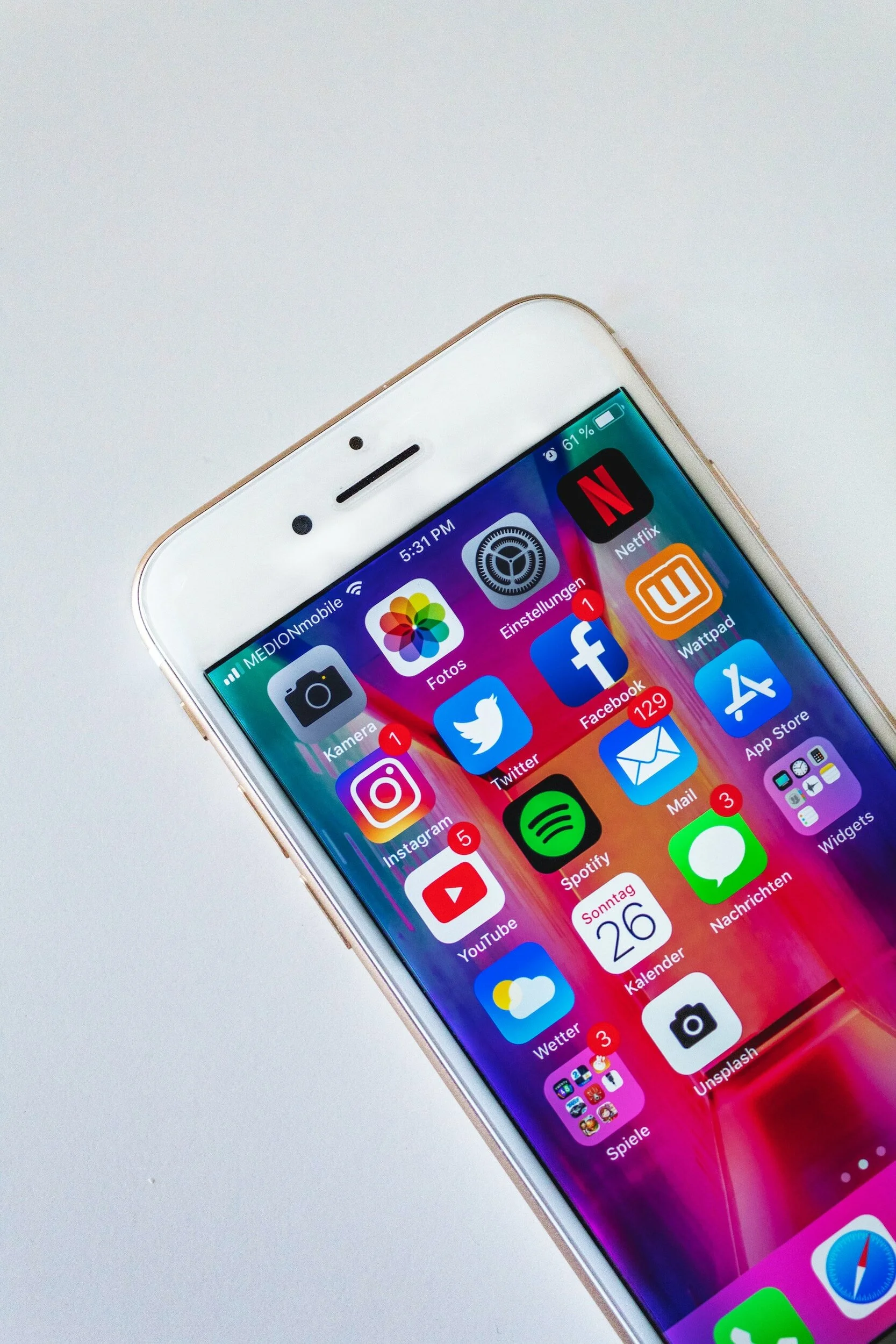
In an era dominated by hashtags, likes, and viral trends, social media has seamlessly integrated itself into our daily lives. From personal interactions to corporate branding, the digital landscape offers a vast platform for individuals and businesses to engage with their audience. However, beneath the captivating allure of social media lies a complex web of legal considerations that individuals and businesses must navigate. From privacy concerns to intellectual property issues, understanding the legal implications of social media usage is paramount in avoiding potential pitfalls and ensuring a positive online experience.
Five Key Points to Consider:
1. Privacy Perils:
In an age where personal information is often shared with a simple click, it’s important to understand privacy laws. Businesses must carefully handle customer data, making sure they adhere to regulations like the General Data Protection Regulation (GDPR) in the European Union or the California Consumer Privacy Act (CCPA) in the United States. Individuals, too, must be mindful of the information they share, as oversharing personal details could lead to unintended consequences.
2. Copyright Conundrums:
The ease of sharing content on social media raises questions about copyright infringement. Posting someone else's work without proper attribution or permission can result in legal repercussions. Businesses need to be vigilant when using images, videos, or music to promote their products or services. Likewise, individuals should be cautious about reposting copyrighted content without proper authorization.
3. Defamation Dilemmas:
The digital realm allows opinions to be voiced on a global scale, but this freedom comes with responsibilities. Posting false statements that damage someone's reputation can lead to defamation claims. Both individuals and businesses must exercise caution when discussing others online and ensure that their statements are accurate and not malicious.
4. Employment Entanglements:
In an interconnected world, employers often scrutinize the online presence of potential hires. Individuals must strike a balance between expressing their personalities and maintaining a professional image. Posting inappropriate content or engaging in offensive behavior online could impact career opportunities. For businesses, establishing social media guidelines for employees can help mitigate potential risks and maintain a positive brand image.
5. Advertising Ambiguities:
The lines between personal opinions and paid promotions can be blurry on social media. Both individuals and businesses engaging in sponsored posts or endorsements must adhere to guidelines set by regulatory bodies, such as the Federal Trade Commission (FTC). Transparently disclosing any financial arrangements is crucial to maintain credibility and avoid legal repercussions.
Conclusion:
As social media continues to shape the way we connect and communicate, a thorough understanding of its legal implications is imperative. Whether you're an individual sharing your thoughts or a business promoting your brand, navigating the digital landscape requires awareness and responsibility. By staying informed about privacy regulations, copyright laws, defamation risks, personal-professional boundaries, and advertising guidelines, you can harness the power of social media while safeguarding yourself and your business from potential legal pitfalls. So tweet, post, and share with confidence, knowing that you're well-equipped to tread the digital terrain responsibly.