Infrastructure and Walkable Cities
Introduction
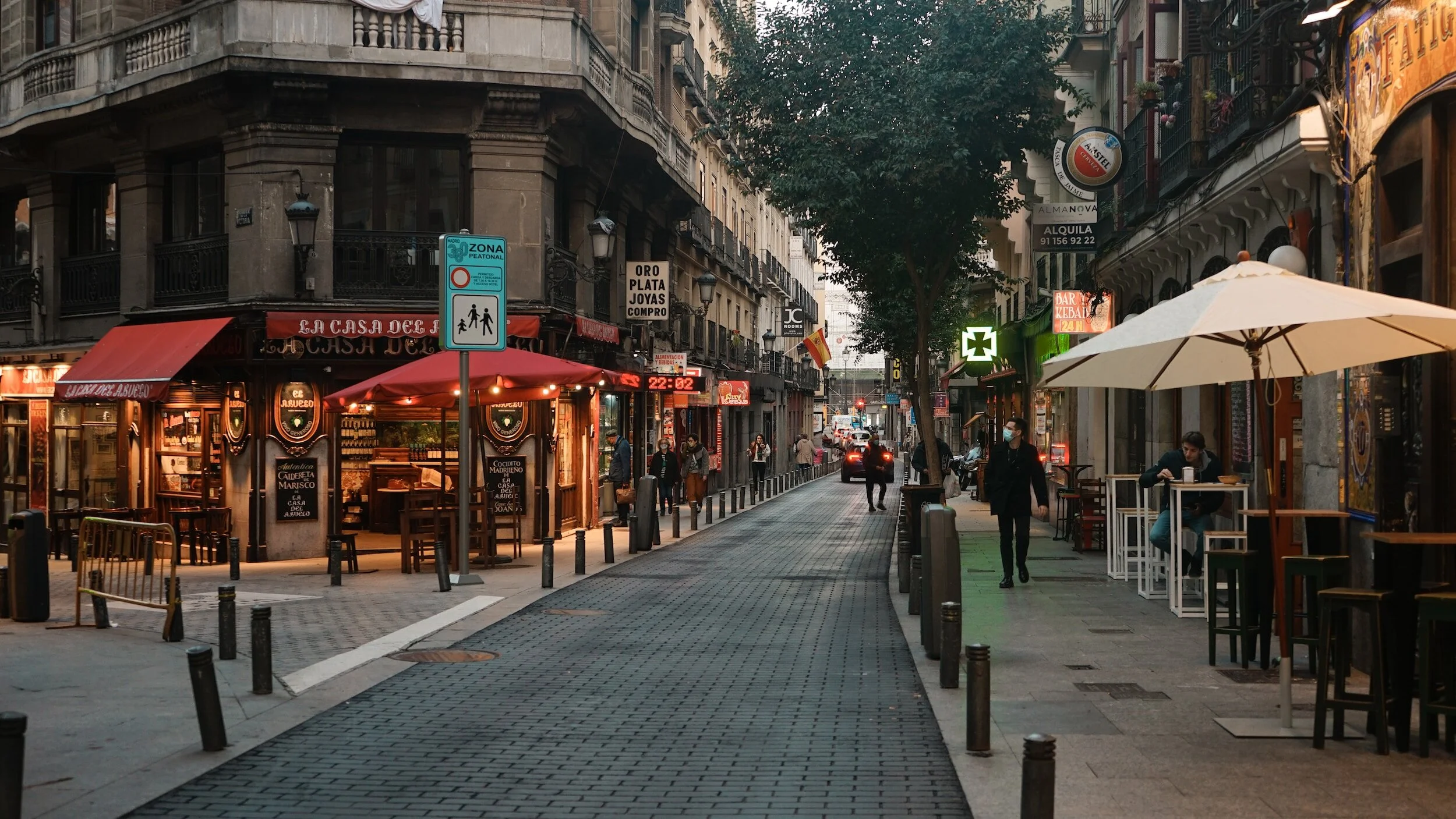
The current infrastructure model for many cities worldwide– in the U.S. especially– is very dependent on cars as the main mode of transportation. While there’s nothing wrong with cars, modeling our cities with only automotive convenience in mind has a number of drawbacks. For this reason, many citizens have begun lobbying for more walkable cities. What exactly is a walkable city? Walkable cities are characterized by the emphasis on pedestrian traffic as opposed to automobile traffic. Examples of such cities include Florence, Italy; Athens, Greece; Madrid, Spain; and Washington D.C. here in the U.S. These types of cities tend to have fewer cars, instead favoring public transportation, and also tend to have more parks and such than their less walkable counterparts.
Perks of Walkable Cities
The obvious major perk of walkable cities is accessibility. Not everyone has a car, and not everyone can drive. Not to mention the frustrations of traffic! Walkable cities are much more friendly to children, the elderly, and people with disabilities, especially those with disabilities preventing them from driving. Not only does increased access to public transportation give these groups more independence, but decreased car traffic also makes getting around safer for them.
Cities with more accessible public transportation greatly reduce traffic-related congestion on streets, plus encourage walking and biking. The use of fossil fuels is reduced, as are air and noise pollution. According to a study, walkable cities have a per capita GDP (gross domestic product) 38% higher than non-walkable cities (ArchDaily). Walkable urban development can revitalize downtown areas and make cities more hospitable in urban and suburban areas alike. These cities are also more equitable, as they have overall lower transportation costs and greater access to jobs, which helps compensate for higher housing costs. On the whole, walkable cities are more economically resilient, cheaper to maintain, and better for fostering community and local business. Best of all, they are designed around people, not cars!
Infrastructure
Many modern cities are facing a dilemma: people are moving in faster than their infrastructure can support! Cities must come up with increasingly quick solutions to manage the population boom, and over-congestion is high on the lists of pressing issues. Many crowded cities worldwide have begun investing more heavily into their public transportation to combat this problem. Cities like Bangkok, Tokyo, Lviv, and Bogotá have made the investment into public transit, cutting down on commute times and making the city overall more livable for commuters, pedestrians, and drivers alike. While it takes an initial investment to pull off, the implementation of accessible public transportation lays a groundwork for a boom in urban development, and can even lead to reduced crime rates (CPI). Kolkata and Melbourne also made investments into their cities, converting previously underutilized stretches of land into havens for pedestrians and cyclists, not only giving the locals a place to walk around outside, but drawing in tourist traffic, as well! Other cities, like Venice, have eliminated the need for cars altogether, instead opting for a more unique approach to public transit.
Conclusion
The switch to making cities more walkable may not be one that will happen overnight, nor will it be easy: it will take time, funding, and coordination on the parts of local governments and city planners. However, the benefits are numerous and hugely outweigh the drawbacks to such projects. Cities will become more sustainable, more accessible, and better equipped to handle the rapid population influx. The rest of the world is modernizing fast– it’s time our cities did, too!
Sources:
Gaete, Constanza Martínez. “The Economic and Social Power of Walkable Cities.” ArchDaily, 5 Dec. 2016, https://www.archdaily.com/800496/the-economic-and-social-power-of-walkable-cities?ad_source=search&ad_medium=projects_tab&ad_source=search&ad_medium=search_result_all.
“TransMilenio: Renewing Bogotá’s Transport System.” Centre For Public Impact (CPI), 30 Mar. 2016, https://www.centreforpublicimpact.org/case-study/transmilenio?utm_medium=website&utm_source=archdaily.com.